
Environmental incidents don’t end when the visible spill is removed. True recovery requires bioremediation and rehabilitation, addressing contamination at a chemical, biological, and ecological level. Drizit provides specialised bioremediation and environmental rehabilitation services that restore impacted land and water systems while meeting regulatory, environmental, and ESG obligations.
With more than 50 years of experience in pollution control and environmental services, Drizit is trusted to manage complex contamination challenges across South Africa and internationally, from industrial sites and mines to waterways and sensitive ecosystems.
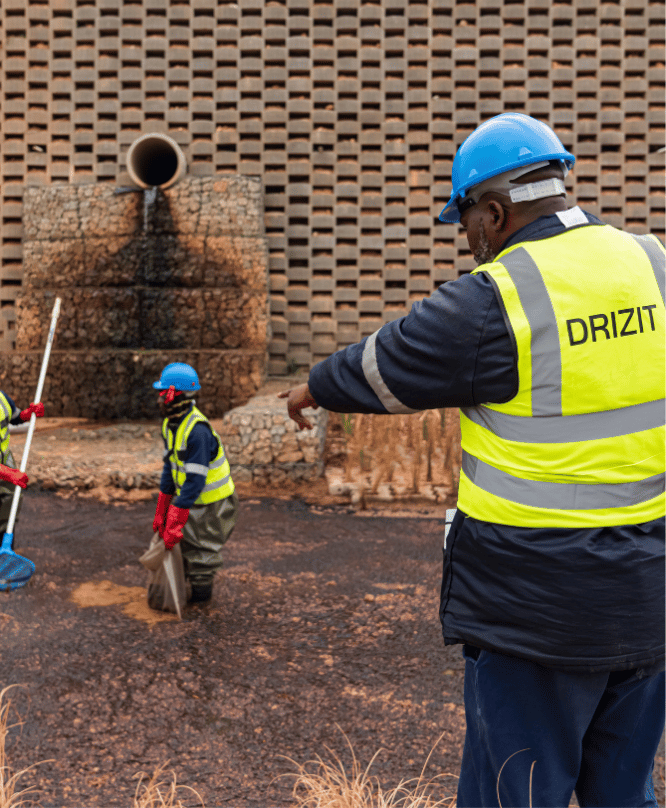
Bioremediation is the use of natural or enhanced biological processes to break down and neutralise contaminants such as hydrocarbons, fuels, oils, and certain chemicals in soil and water.
Instead of simply removing contaminated material and transferring the problem elsewhere, bioremediation:
Drizit applies scientifically supported bioremediation techniques as part of structured rehabilitation programmes.
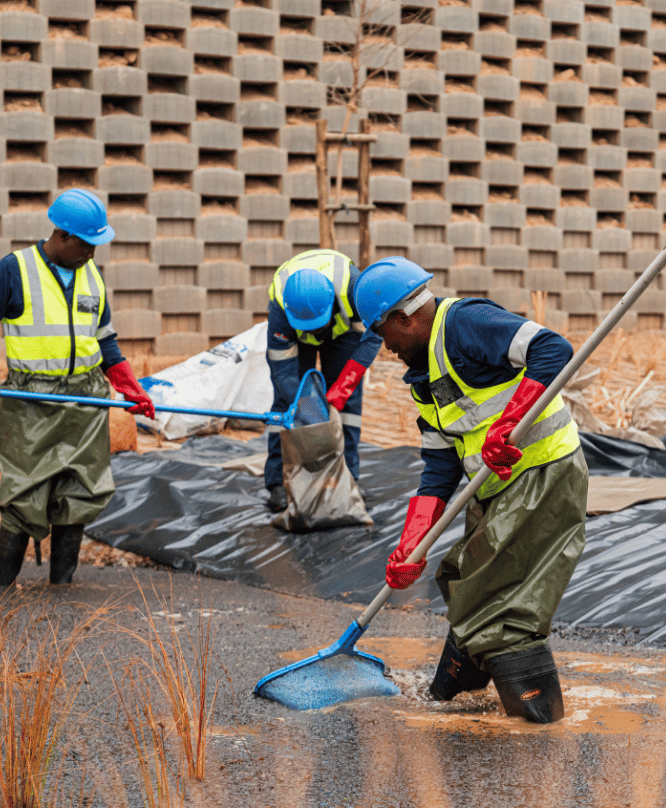
Rehabilitation focuses on returning affected environments to a safe, stable, and compliant condition following pollution events, industrial activity, or long-term contamination.
Rehabilitation focuses on returning affected environments to a safe, stable, and compliant condition following pollution events, industrial activity, or long-term contamination.
Drizit delivers end-to-end solutions, combining field experience, scientific methods, and environmental compliance expertise.
This end-to-end capability reduces risk, simplifies coordination, and ensures consistent environmental outcomes.
In many cases, authorities require proof of rehabilitation, not just cleanup.
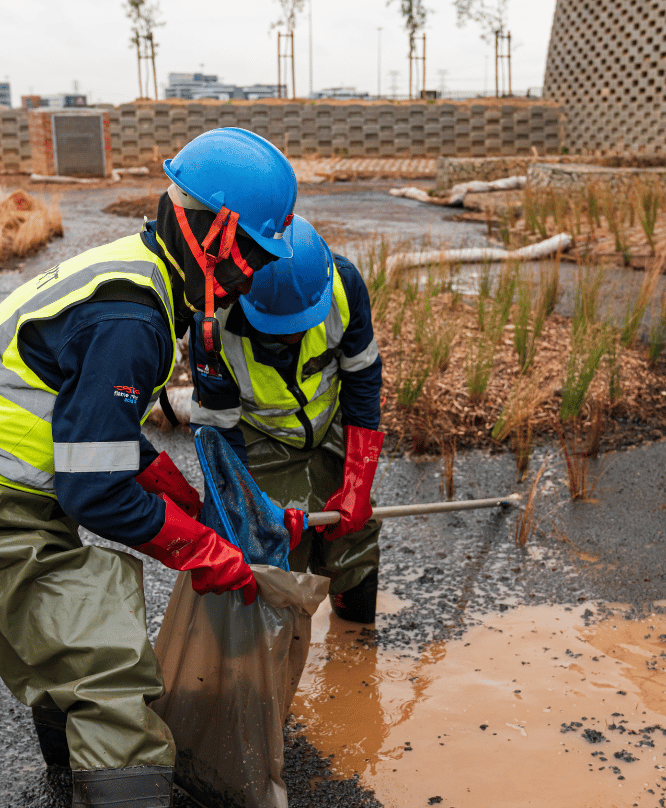
Drizit follows a systematic process to ensure effective and defensible outcomes:
This structured approach ensures environmental recovery aligns with legal, scientific, and operational expectations.
Bioremediation rarely exists in isolation. Drizit integrates rehabilitation with broader environmental services, including:
This reduces fragmentation, shortens project timelines, and improves overall outcomes.

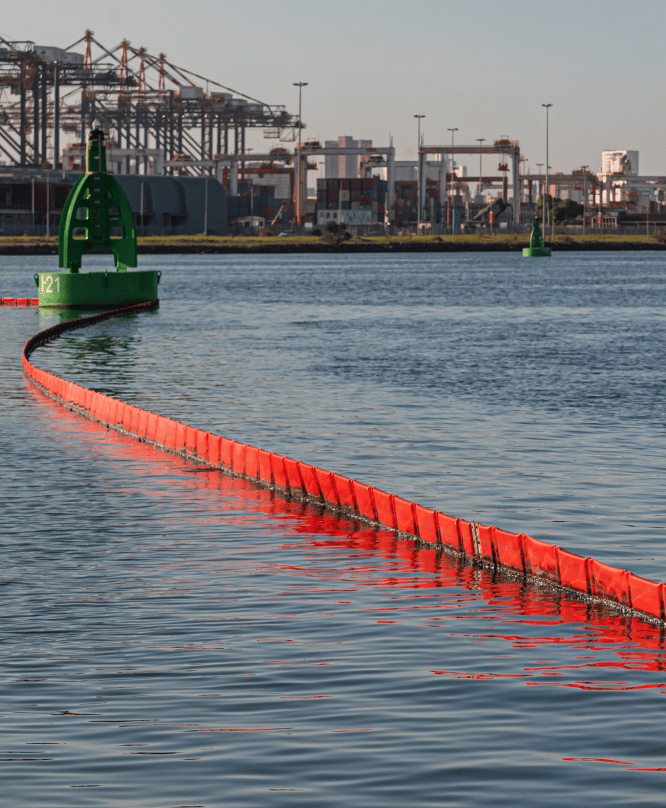
Drizit’s bioremediation and rehabilitation services support:
Each site presents unique challenges; our solutions are tailored accordingly.
Drizit’s bioremediation and rehabilitation services support:
Each site presents unique challenges; our solutions are tailored accordingly.
Effective rehabilitation demonstrates commitment to:
Drizit works with clients to ensure rehabilitation strategies align with environmental licences, closure plans, and corporate responsibility frameworks.
When you partner with Drizit, you gain:
We don’t just clean up pollution; we help restore environments.
Environmental recovery requires experience, science, and commitment. Whether responding to a recent spill or addressing long-standing contamination, Drizit’s bioremediation and rehabilitation services deliver responsible, compliant, and sustainable outcomes.
Contact Drizit today to discuss your bioremediation or rehabilitation requirements and take the next step toward environmental recovery.
Adding {{itemName}} to cart
Added {{itemName}} to cart